Free Consultations 512-474-2222
Contact Our Firm
 The use of the Internet or this form for communication with the firm or any individual member of the firm does not establish an attorney-client relationship. Confidential or time-sensitive information should not be sent through this form.
I have read and understand the Disclaimer and Privacy Policy.



What if the Alleged Victim Refuses To Testify in a Texas Family Violence Case?
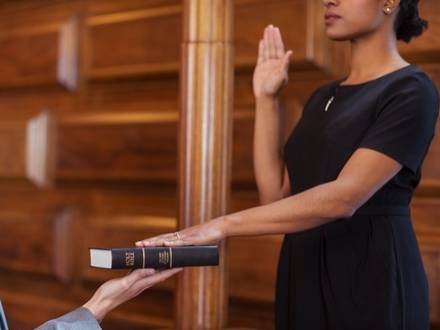 If the named victim in a Texas family violence case refuses to testify, the case does not automatically go away. Many people believe that if the supposed victim does not want to participate, the charges will be dropped. That is not how it works in Texas. Even without the alleged victim's cooperation, there are ways the state can still try to build and win a case against you. If you are in this situation in 2026, a Midland, TX criminal defense lawyer will explain your rights and possible defenses.
Can the Named Victim Drop the Charges in a Texas Family Violence Case?
Once police are called and a report is made, the case moves from the hands of the alleged victim into the hands of the state. In Texas, the prosecutor represents the state, not the individual. The supposed victim becomes a witness, not the decision maker.
Under Texas Family Code § 71.004, family violence is defined as an act by a member of a family or household against another member that is intended to result in physical harm, bodily injury, assault, or sexual assault, or that is a threat that reasonably places the person in fear of imminent physical harm.
Once an act meets this definition and is reported to the police, the state has the authority to pursue charges regardless of whether the alleged victim wants to participate. This does not mean the case is unbeatable. It means you need experienced legal help to fight it effectively.
Can a Prosecutor Win a Family Violence Case Without the Alleged Victim’s Participation?
When the named victim refuses to testify or cannot be located, prosecutors may try to use other types of evidence to prove the case. This is sometimes called a victimless prosecution. The types of evidence they may try to use include:
-
The 911 call recording, which often captures the incident or its immediate aftermath in real time
-
Body camera footage from responding officers showing the scene, injuries, and statements made at the time
-
Photographs of injuries taken at the scene or at a hospital
-
Medical records documenting treatment for injuries
-
The defendant's own statements made to the police at the time of the arrest
-
Statements the supposed victim made to officers at the scene, which may be admissible under certain exceptions to the hearsay rule
-
Witness testimony from neighbors, family members, or others who saw or heard what happened
The strength of a victimless prosecution depends heavily on how much independent evidence exists. Some cases are strong without the alleged victim's testimony. Others fall apart without it.
What Is an Excited Utterance and Why Does It Matter in a Texas Family Violence Case?
One of the most important legal concepts in family violence cases where the named victim will not testify is the excited utterance exception to the hearsay rule. Under Texas Rules of Evidence Rule 803(2), a statement made while a person is still under the stress or excitement of a startling event can be admitted as evidence even if the person who made the statement is not testifying.
This means that if the alleged victim made statements to police, paramedics, or others shortly after the incident, those statements may be used against you at trial even if the alleged victim later refuses to cooperate. The timing and emotional state of the person at the time they made the statement are key factors in whether the exception applies.
Can the State Force the Named Victim To Testify in a Family Violence Case?
If a prosecutor wants the alleged victim to testify, they can subpoena them. A subpoena is a legal order requiring someone to appear in court and testify. If the alleged victim ignores the subpoena, they can be held in contempt of court, which can result in fines or even jail time.
This can place the person in a hard situation if they do not want to participate. It also means that a victim who says they do not want to press charges cannot always simply choose to stay out of the proceedings. The decision is ultimately not theirs to make.
What if the Alleged Victim Recants?
Recanting means the alleged victim takes back or changes their original statement. This does happen in family violence cases, but it does not always end the prosecution. If it happens, the prosecutor may still proceed using the original statements, physical evidence, and other independent evidence. They may also argue to a jury that the recantation itself was the result of pressure from the defendant, which can actually hurt the defense if not handled carefully. Having an experienced attorney respond strategically to a recantation is essential.
Call for a Free Consultation With Our Austin, TX Family Violence Defense Lawyer
Facing a family violence charge in Texas is frightening, and the fact that the alleged victim does not want to participate does not mean the case will simply go away. You deserve someone who will fight hard for you from the very beginning. Morales Law Office, Attorneys at Law, PLLC. brings decades of experience to cases like yours and understands what it takes to challenge the state's evidence and protect your rights. Call 512-474-2222 to talk to our Midland, TX criminal defense attorney today.


