Free Consultations 512-474-2222
Contact Our Firm
 The use of the Internet or this form for communication with the firm or any individual member of the firm does not establish an attorney-client relationship. Confidential or time-sensitive information should not be sent through this form.
I have read and understand the Disclaimer and Privacy Policy.



What Happens If You Refuse a Breath or Blood Test in Texas?
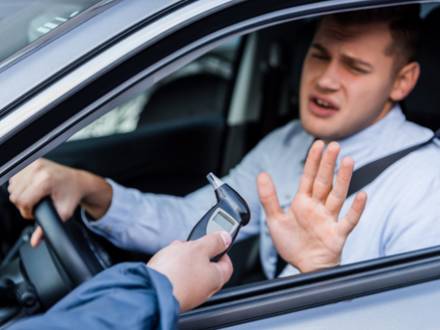 If you refuse a breath or blood test during a DWI stop in Texas, your driver's license will be automatically suspended. That consequence kicks in regardless of whether you are ever charged with or convicted of DWI. If you've already refused a test or are trying to understand your rights before something goes wrong, speaking with Midland, TX DWI defense lawyers is one of the most important steps you can take in 2026.
What Is Texas's Implied Consent Law?
Texas Transportation Code § 724.011 is the statute that establishes implied consent in Texas. It states that any person who operates a motor vehicle in a public place is considered to have consented to chemical testing of their breath or blood if a peace officer arrests them for suspicion of DWI. The keyword in this statute is "arrests." An officer cannot demand a chemical test simply because they pulled you over. A lawful arrest must come first.
Once you are under arrest, the officer will read you a notice explaining your rights and the consequences of refusing. This is not optional on their part. It is required under Texas Transportation Code § 724.015.
What Happens to Your License If You Refuse a Breath Test During a Texas DWI Stop?
Refusing a chemical test triggers an automatic driver's license suspension through a process called Administrative License Revocation, or ALR. For a first-time refusal, your license is suspended for 180 days. If you have a prior DWI-related suspension or refusal within the past 10 years, that suspension jumps to two years.
You only have 15 days from the date of your arrest to request an ALR hearing to challenge the suspension. If you miss that window, the suspension goes into effect automatically without any opportunity to contest it. This deadline moves fast, and many people don't realize it exists until it has already passed.
Can Police Still Get Your Blood Without Your Consent After a DWI Arrest in Texas?
Under Texas Transportation Code § 724.012, there are specific situations where law enforcement can obtain a warrant to draw your blood even if you refuse. These include situations where someone was seriously injured or killed in the accident, where a child was in the vehicle, or where you have prior DWI convictions. A judge can approve a blood draw warrant in a matter of minutes, and it has become increasingly common in Texas. Refusal does not always mean no chemical evidence.
Does Refusing a Breath Test Help Your DWI Case in Texas?
Refusing a breath or blood test does remove one piece of potential evidence from the case, but it does not guarantee a better outcome. Prosecutors can still build a case using:
-
The officer's observations at the scene, including your driving behavior, speech, and physical appearance
-
Dashcam or bodycam footage
-
Field sobriety test results
-
Witness statements
-
Any blood draw obtained through a warrant
In some cases, a refusal can actually be used against you in court as evidence of consciousness of guilt, meaning the jury may be told that you refused and allowed to draw their own conclusions about why.
What Should You Do After Refusing a Chemical Test for a Texas DWI Case?
The 15-day ALR hearing request deadline makes the period right after your arrest critical. Missing it means accepting the suspension without a fight. Beyond that, a DWI charge in Texas carries serious consequences, including fines, potential jail time, and a criminal record that can affect employment, housing, and professional licenses.
As of 2026, Texas has not softened its approach to DWI enforcement or implied consent penalties. The sooner you get legal guidance, the more options you are likely to have.
Schedule a Free Consultation With Our Austin DWI Defense Attorneys
A refusal does not have to define the outcome of your case, but the decisions you make in the days immediately following your arrest matter enormously. Our Midland, TX DWI defense lawyers bring decades of experience to cases exactly like yours, with a clear understanding of how Texas's implied consent law works and how to challenge the state's evidence.
Call Morales Law Office, Attorneys at Law, PLLC. at 512-474-2222 to discuss your situation and find out what your legal options are before any deadlines pass.


