Free Consultations 512-474-2222
Contact Our Firm
 The use of the Internet or this form for communication with the firm or any individual member of the firm does not establish an attorney-client relationship. Confidential or time-sensitive information should not be sent through this form.
I have read and understand the Disclaimer and Privacy Policy.



How Do You Prove a Property Owner Could’ve Prevented Your Fall?
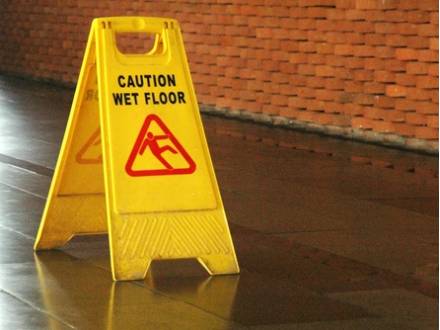 A slip-and-fall accident can happen in seconds, but the pain and disruption it causes can last for months or even years. If you fell on someone else's property because of a dangerous condition that should have been fixed or warned about, you may have the right to seek compensation.
Under Texas Civil Practice and Remedies Code § 95.003, property owners have a legal duty to keep their premises in a reasonably safe condition for people who enter the property. When they fail to do that, and someone gets hurt, the law may hold them responsible for the resulting injuries.
Proving that the property owner is responsible is not always simple, but it is possible with the right evidence and legal support. If you were hurt in a fall and want to seek compensation in 2026, our Georgetown, TX slip-and-fall accident lawyers can help you build a strong case and fight for what you deserve.
What Is Premises Liability and How Does It Apply to a Slip-and-Fall Case?
Premises liability is the area of law that holds property owners responsible when someone is hurt on their property because of an unsafe condition. In Texas, the duty a property owner owes to a visitor depends on what type of visitor the person is.
Invitees
An invitee is someone who has been invited onto the property for business or commercial purposes, such as a customer in a store. Property owners owe the highest duty of care to invitees. They must not only fix known hazards but also inspect the property regularly to find and address dangerous conditions.
Licensees
A licensee is someone who enters the property with permission but for their own purposes, such as a social guest. The duty owed to a licensee is slightly lower.
Trespassers
A trespasser is someone who is not legally allowed on the property. Trespassers are generally owed very little duty of care, with some exceptions. Most slip-and-fall cases involve invitees, which means the property owner had the highest level of responsibility to keep the space safe.
What Do You Have To Prove in a Texas Slip-and-Fall Case?
To win a premises liability claim in Texas, you generally need to show four things. First, the property owner owed you a duty of care. Second, there was a dangerous condition on the property. Third, the owner knew or should have known about that condition. Fourth, that condition caused your fall and your injuries.
The third element is often the hardest to prove. A property owner can argue that they had no idea the hazard existed. That is why gathering evidence quickly is so important. The longer you wait, the harder it becomes to show what the property looked like at the time of your fall and how long the dangerous condition had been there.
What Evidence Helps Prove a Property Owner Knew About the Hazard?
Evidence of the owner's knowledge can come from many sources. These include:
-
Surveillance footage showing the hazard was present for a significant period of time before your fall
-
Incident reports from prior falls or complaints about the same condition
-
Employee testimony or records showing staff were aware of the problem
-
Maintenance logs showing the area had not been inspected or repaired in a long time
-
Photos taken at the scene immediately after the fall showing the dangerous condition
An attorney can move quickly to gather and preserve this evidence before it disappears. Surveillance footage is often deleted within days. Incident reports may be hard to access without legal help. Acting fast gives your case the best possible foundation.
Can the Property Owner Argue You Were Partially at Fault?
Under Texas Civil Practice and Remedies Code § 33.001, Texas follows a modified comparative fault rule. This means that if you are found to be more than 50 percent responsible for your own injuries, you cannot recover any compensation. If you are found to be 50 percent or less at fault, your compensation is reduced by your percentage of fault.
Property owners and their insurance companies often try to shift blame onto the injured person. They may claim you were not paying attention, were wearing unsafe footwear, or ignored a warning sign. An attorney can push back against these arguments and present evidence that the hazard was the real cause of your fall.
What Types of Compensation Can You Recover After a Slip-and-Fall in Texas?
If you can prove the property owner's negligence caused your injuries, you may be entitled to compensation for medical expenses, lost wages, future medical care, pain and suffering, and reduced quality of life. Serious falls can result in broken bones, head injuries, and back problems that require ongoing treatment. The full cost of those injuries should be reflected in any settlement or verdict.
It is important to document everything related to your injuries and recovery. Keep records of every medical appointment, every prescription, every day of work you missed, and every way the injury has affected your daily life. This documentation strengthens your claim and supports the full value of your damages.
Schedule a Free Consultation With Our Austin, TX Premises Liability Attorneys
A fall on someone else's property is not something you should have to handle alone. At Morales Law Office, Attorneys at Law, PLLC., we have been fighting for injured Texans since 1996, bringing decades of experience to every case we take on. We understand how much is at stake when an injury affects your health, your income, and your ability to enjoy your life.
If you were hurt in a slip-and-fall accident, contact our Georgetown, TX slip-and-fall accident lawyers today. Call 512-474-2222 to schedule a free consultation.
Hablamos español.


