Free Consultations 512-474-2222
Contact Our Firm
 The use of the Internet or this form for communication with the firm or any individual member of the firm does not establish an attorney-client relationship. Confidential or time-sensitive information should not be sent through this form.
I have read and understand the Disclaimer and Privacy Policy.



Recent Blog Posts
How Can Field Sobriety Test Problems Affect a Texas DWI Case?
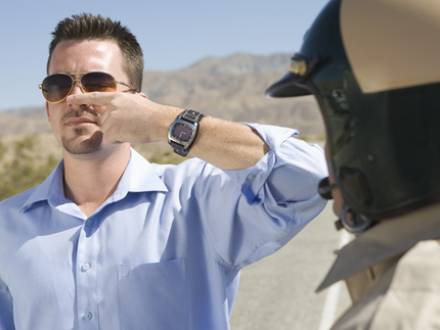 Problems with how field sobriety tests were given can weaken a Texas DWI case significantly. In some situations, they can knock out the evidence that came after the arrest. These tests are scored against a specific procedure. When an officer departs from that procedure, the report may still say you failed, but the result no longer means much.
If you were arrested for DWI in 2026 after roadside testing, our Midland, TX criminal defense lawyers can review the video against what the officer was trained to do.
What Are the Standardized Field Sobriety Tests in Texas?
There are three standardized field sobriety tests used across Texas and the rest of the country. The horizontal gaze nystagmus test has the officer move a pen or light while watching your eyes for involuntary jerking. The walk-and-turn requires nine heel-to-toe steps along a line, a specific turn, and nine steps back. The one-leg stand requires holding one foot about six inches off the ground while counting aloud.
Who Is Liable if an Unqualified Truck Driver Causes an Accident?
 When a truck driver who never should have been behind the wheel causes a crash, more than one party could be liable. The driver is responsible for their own careless driving. The trucking company can be liable for what its driver did on the job and for its own decision to put that person in the truck. A staffing agency, a separate truck owner, or a maintenance contractor may share the blame as well.
During the Commercial Vehicle Safety Alliance's 2026 International Roadcheck, inspectors pulled 3,184 drivers off the road across North America in a single three-day sweep. The top reasons were missing medical cards and hours-of-service violations. But 620 drivers were operating with no commercial driver's license at all. If you were injured in a truck accident in 2026, our Georgetown, TX personal injury lawyers can help you identify everyone who may owe you compensation.
What Is a Drug Trafficking Charge in Texas?
 A drug trafficking charge in Texas generally refers to serious drug charges involving manufacturing, delivering, or possessing controlled substances with intent to deliver. Texas does not usually call the offense "drug trafficking" under state law. These charges are treated much more severely than simple possession in most situations.
If you're facing a charge in 2026, our Midland, TX drug trafficking defense lawyers can help you understand what you're up against and fight for your future.
How Does Texas Law Define Drug Trafficking?
Texas law does not generally use "drug trafficking" as the name of a specific state offense. Instead, conduct commonly described as drug trafficking may be charged as manufacturing, delivering, or possessing a controlled substance with intent to deliver.
For example, under Texas Health and Safety Code Section 481.112, it is illegal to knowingly manufacture, deliver, or possess with intent to deliver a controlled substance listed in Penalty Group 1. This group includes drugs such as cocaine, heroin, and methamphetamine. Other penalty groups are covered by separate sections of the Texas Controlled Substances Act.
Tips to Follow If You Are Arrested in Texas
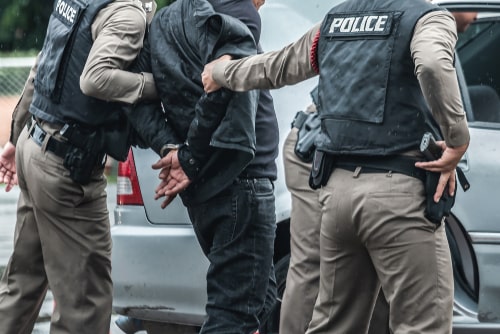 If you're arrested in Texas, the most important things to do are stay calm, avoid answering questions beyond identifying yourself, and ask for an attorney right away. What you say and do during an arrest can significantly affect the outcome of your case. Knowing how to protect yourself in the moment can make a real difference.
If you've been arrested in 2026, our Georgetown, TX criminal defense lawyers can help you understand your rights and next steps.
What Should You Say to Police After Being Arrested?
If you are lawfully arrested in Texas, you must provide your name, home address, and date of birth when asked. Under Texas Penal Code Section 38.02, refusing to provide this information after a lawful arrest can be a separate offense.
Beyond basic identifying information, you generally have the right to remain silent. The Fifth Amendment protects you from being forced to provide statements that may incriminate you. You can clearly say that you want to remain silent and that you want to speak with an attorney before answering questions about the alleged offense.
How Can I Get My Suspended License Back?
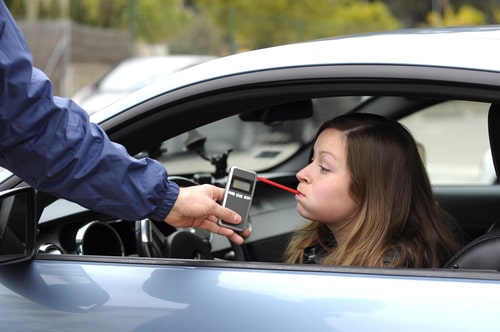 Getting your suspended license back generally requires a few steps. You'll need to complete any required waiting period, pay reinstatement fees, and provide proof of insurance. Depending on why your license was suspended, there may be other requirements.
Losing your ability to drive can turn everyday life upside down. It can make it hard to get to work, take care of your family, or handle basic errands. If you need help getting your license back in 2026, our Midland, TX driver’s license suspension lawyers can help you understand exactly what steps apply to your specific situation.
What Does Texas Law Require for License Reinstatement After a DWI?
Texas addresses license reinstatement through various provisions found in Chapter 521 of the Texas Transportation Code. It sets out the general requirements drivers must meet before a suspended license can be restored, including payment of a reinstatement fee.
What Should You Know About Traumatic Brain Injuries After a Car Accident?
 A traumatic brain injury (TBI) after a car accident can change your life in ways that are not always immediately visible. Unlike a broken bone, brain injuries can be subtle at first and worsen over time. Many accident victims do not realize how serious their injury is until days or weeks after the crash.
If you were in a car accident in 2026 and suffered a TBI, our Midland car accident lawyers can help you understand your legal options. At Morales Law Office, Attorneys at Law, PLLC., we will fight to ensure you are fully compensated for everything a traumatic brain injury can cost you.
What Are the Different Types of Traumatic Brain Injuries?
Not all TBIs are the same. They range from relatively mild to severely debilitating. The type of injury affects how it is treated and how it is valued in a legal claim.
Common types of TBIs include:
- Concussion: A temporary disruption of brain function that can have lasting effects if not properly treated
What Defenses Are Available to Child Sexual Abuse Material Charges in Texas?
 Facing a charge related to child sexual abuse material (CSAM) in Texas is one of the most serious situations a person can be in. The consequences of a conviction are severe and life-changing. However, depending on the facts, the evidence, and whether law enforcement followed the law during the investigation, there may be legal defenses available. If you or someone you care about is facing this type of charge in 2026, the Georgetown, TX criminal defense lawyers at Morales Law Office, Attorneys at Law, PLLC. can review the evidence and help build the strongest possible defense.
What Are the Texas Laws on Child Sexual Abuse Material Charges?
Texas law addresses CSAM under Texas Penal Code Section 43.26. Under this statute, it is a felony to knowingly possess, promote, or distribute visual material that shows a child younger than 18 engaged in sexual conduct.
What Is the Difference Between Sexual Assault and Aggravated Sexual Assault?
 The main difference between sexual assault and aggravated sexual assault in Texas comes down to the circumstances of the offense. Sexual assault is already a felony. Aggravated sexual assault involves additional factors that make the charge worse and the penalties much harsher. If you or someone you care about is facing either of these charges in 2026, the Midland, TX sexual assault defense lawyers at Morales Law Office, Attorneys at Law, PLLC. can help you understand what you are dealing with.
What Is Sexual Assault Under Texas Law?
Under Texas Penal Code Section 22.011, sexual assault means intentionally engaging in certain sexual acts with another person without their consent. Lack of consent can come from force, threats, or the victim being unconscious, mentally incapacitated, or otherwise unable to agree.
How Black Box Data Can Affect a Texas Truck Accident Claim
 If you were hit by a commercial truck, there may be a device on that truck that recorded exactly what happened in the moments before the crash. It’s called a black box, and the data it contains can be one of the most powerful pieces of evidence in your case. It can show how fast the truck was going, whether the driver braked, and how the truck was being operated leading up to the collision. If you are dealing with the aftermath of a serious crash in 2026, our Georgetown, TX personal injury lawyers can help you act quickly to make sure that data is preserved before it disappears.
What Is a Black Box on a Commercial Truck?
A black box, more formally called an Electronic Control Module or ECM, is a recording device built into most commercial trucks. It works a lot like the black box on an airplane. It runs continuously and captures data about how the truck is operated.
What if the Alleged Victim Refuses To Testify in a Texas Family Violence Case?
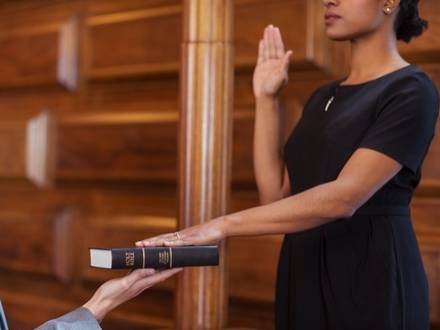 If the named victim in a Texas family violence case refuses to testify, the case does not automatically go away. Many people believe that if the supposed victim does not want to participate, the charges will be dropped. That is not how it works in Texas. Even without the alleged victim's cooperation, there are ways the state can still try to build and win a case against you. If you are in this situation in 2026, a Midland, TX criminal defense lawyer will explain your rights and possible defenses.
Can the Named Victim Drop the Charges in a Texas Family Violence Case?
Once police are called and a report is made, the case moves from the hands of the alleged victim into the hands of the state. In Texas, the prosecutor represents the state, not the individual. The supposed victim becomes a witness, not the decision maker.


