Free Consultations 512-474-2222
Contact Our Firm
 The use of the Internet or this form for communication with the firm or any individual member of the firm does not establish an attorney-client relationship. Confidential or time-sensitive information should not be sent through this form.
I have read and understand the Disclaimer and Privacy Policy.



How Can Field Sobriety Test Problems Affect a Texas DWI Case?
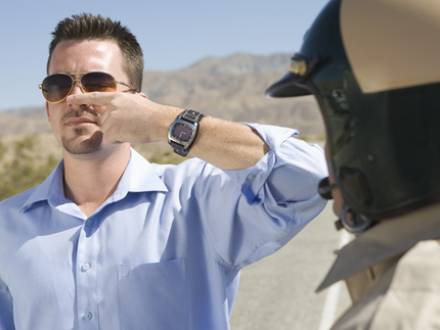 Problems with how field sobriety tests were given can weaken a Texas DWI case significantly. In some situations, they can knock out the evidence that came after the arrest. These tests are scored against a specific procedure. When an officer departs from that procedure, the report may still say you failed, but the result no longer means much.
If you were arrested for DWI in 2026 after roadside testing, our Midland, TX criminal defense lawyers can review the video against what the officer was trained to do.
What Are the Standardized Field Sobriety Tests in Texas?
There are three standardized field sobriety tests used across Texas and the rest of the country. The horizontal gaze nystagmus test has the officer move a pen or light while watching your eyes for involuntary jerking. The walk-and-turn requires nine heel-to-toe steps along a line, a specific turn, and nine steps back. The one-leg stand requires holding one foot about six inches off the ground while counting aloud.
Each is scored by counting specific errors called clues. An officer is not supposed to form a general impression and write it down. The number of clues observed is what supposedly indicates impairment.
Officers also use non-standardized tests, such as reciting the alphabet, counting backward, or touching a finger to the nose. These tests are not part of NHTSA's validated standardized three-test battery. However, some have been studied or used to assess impairment.
What Mistakes Do Officers Make During Field Sobriety Tests?
Common errors officers make when administering field sobriety tests during a DWI stop include:
-
Instructions delivered too quickly, or without the required physical demonstration
-
Testing on a sloped shoulder, loose gravel, or broken pavement
-
Passing traffic, wind, rain, cold, or headlights shining into the driver's eyes
-
Never asking about injuries, medical conditions, age, or footwear beforehand
-
Moving the stimulus too fast during the eye test, which can cause the officer to miss the point where nystagmus begins
-
Counting clues the training manual does not recognize
-
Continuing the test after a driver said they physically could not perform it
-
No recording at all, or video that begins after the testing already started
Any of these can be demonstrated with the footage and the officer's own training materials.
How Can Field Sobriety Test Problems Get Evidence Thrown Out of a DWI Case?
Texas gives defendants two separate ways to get field sobriety tests thrown out.
The first is a motion to suppress. If the arrest rested on field sobriety test results and those results were unreliable, the defense can argue there was no probable cause for the arrest. When that argument succeeds, everything gathered afterward, including a breath or blood result, may be excluded.
The second comes from Texas Code of Criminal Procedure Article 38.23. That statute keeps out evidence the police obtained by breaking the law. When the facts about how the evidence was gathered are in dispute, the judge must tell the jury to ignore that evidence if jurors believe it was obtained illegally, or even have a reasonable doubt about its origin. In a field sobriety test case, that dispute is often whether the officer had a lawful reason to keep you at the roadside long enough to run the tests at all.
Can You Be Convicted of DWI in Texas Without Field Sobriety Tests?
You can be convicted in Texas without any field sobriety tests. Texas defines intoxication in two ways. One is having an alcohol concentration of 0.08 or more. The other is not having the normal use of mental or physical faculties because of alcohol or another substance, and that definition requires no test result.
Under the second definition, prosecutors can build a case from driving behavior, slurred speech, odor of alcohol, bloodshot eyes, admissions made at the window, and squad video. A strong challenge to the roadside tests removes a major piece of that picture, but the breath or blood evidence and the video still have to be addressed.
Schedule a Free Consultation With Our Austin DWI Defense Attorneys Today
Attorneys Novert Morales and Jack Ladd bring decades of combined experience to DWI cases in West Texas. They approach roadside testing as a procedure with documented standards rather than as an officer's judgment call, and they know how Midland County prosecutors and courts handle these cases when the video does not match the report.
Contact Morales Law Office, Attorneys at Law, PLLC. at 512-474-2222 to talk to our Midland, TX criminal defense lawyers today.


