Free Consultations 512-474-2222
Contact Our Firm
 The use of the Internet or this form for communication with the firm or any individual member of the firm does not establish an attorney-client relationship. Confidential or time-sensitive information should not be sent through this form.
I have read and understand the Disclaimer and Privacy Policy.



Examining Texas Rear-End Accidents
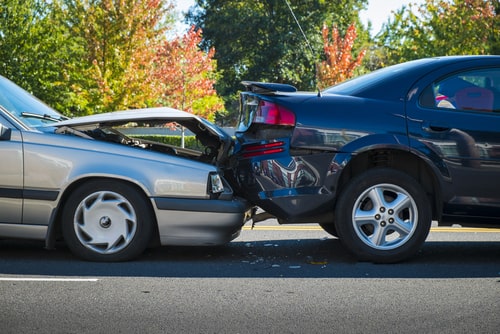 Texas recorded one reportable motor vehicle crash every 57 seconds in 2025, with rear-end accidents being a common occurrence. These crashes often cause injuries that drivers do not expect at the moment of impact. As of 2026, Texas still uses a fault-based system that directly affects whether compensation is available after a rear-end crash.
If you were injured in this type of collision, understanding how Texas law applies is important. Our Georgetown, TX car accident lawyers can help explain what steps make sense next.
What Causes Rear-End Accidents in Texas?
Rear-end accidents usually happen when a driver does not leave enough space to stop safely. Under Texas Transportation Code § 545.062, drivers must keep a reasonable and safe following distance based on traffic, speed, and road conditions. When a driver follows too closely and cannot stop in time, that failure often supports a negligence claim.
Other common causes of rear-end crashes include:
-
Distracted driving, including phone use
-
Sudden traffic slowdowns near intersections or construction zones
-
Driver fatigue or impairment
Even crashes at lower speeds can cause injuries because the body is forced forward and backward quickly.
Who Is at Fault in a Texas Rear-End Collision?
Many people assume the rear driver is always at fault, but Texas law does not assign automatic blame. Fault depends on what the evidence shows.
Texas uses a modified comparative fault system under Texas Civil Practice and Remedies Code § 33.001. An injured person can recover damages as long as they are less than 50 percent responsible for the crash. Any recovery is reduced by the person’s share of fault.
For example, if someone is found 20 percent responsible, their compensation is reduced by 20 percent. Evidence often used to decide fault includes police reports, photos of vehicle damage, witness statements, and video footage when available.
What Injuries Are Common in Rear-End Accidents?
Rear-end crashes often cause injuries that develop over time rather than right away. Many people feel sore or stiff hours or days later.
Common injuries include neck and back strain, disc injuries, concussions, shoulder damage, and nerve pain. Because these injuries may not appear on early imaging, insurance companies sometimes argue they are minor or unrelated. Getting medical care and following treatment plans helps show how the injury is connected to the crash.
What Compensation Can Be Recovered After a Rear-End Crash?
When another driver is at fault, Texas law allows injured people to seek compensation for both financial losses and physical pain.
Depending on the situation, damages may include:
-
Medical expenses for treatment and future care
-
Lost wages and reduced ability to earn income
-
Pain and suffering related to the injury
-
Vehicle repair or replacement costs
Under Texas Civil Practice and Remedies Code § 16.003, most personal injury claims must be filed within two years of the crash. Missing this deadline usually ends the right to recover compensation.
What Should You Do After a Rear-End Accident in Texas?
Your actions in the immediate aftermath of a car accident can impact your claim and your health. It is generally important to:
-
Call law enforcement and request a crash report.
-
Get medical care, even if symptoms seem minor.
-
Take photos of vehicle damage and road conditions.
-
Avoid admitting fault to other drivers or insurers.
-
Talk to a lawyer before accepting a settlement.
Insurance companies often try to resolve rear-end claims quickly, especially when injuries are not obvious.
When Should You Talk to a Texas Car Accident Lawyer?
You should consider legal help if you were injured, if fault is disputed, or if the insurance company minimizes your injuries. Rear-end accident cases can become complicated when symptoms worsen or liability is questioned.
An attorney can review the evidence, deal with insurance companies, and help determine whether a settlement offer is fair under Texas law.
Schedule a Free Consultation With Our Austin, TX Car Accident Attorneys
If you were injured in a rear-end accident, it is important to understand your rights before making decisions that affect your recovery. At Morales Law Office, Attorneys at Law, PLLC., our firm has served injured Texans since 1996, helping clients handle car accident claims and fight to protect their right to compensation. Don’t hesitate to get the help you need. Contact our Georgetown, TX car accident lawyers at 512-474-2222 to schedule your free consultation and learn what next steps may be appropriate. Hablamos Español.


